
Children’s Orthodontic Treatments
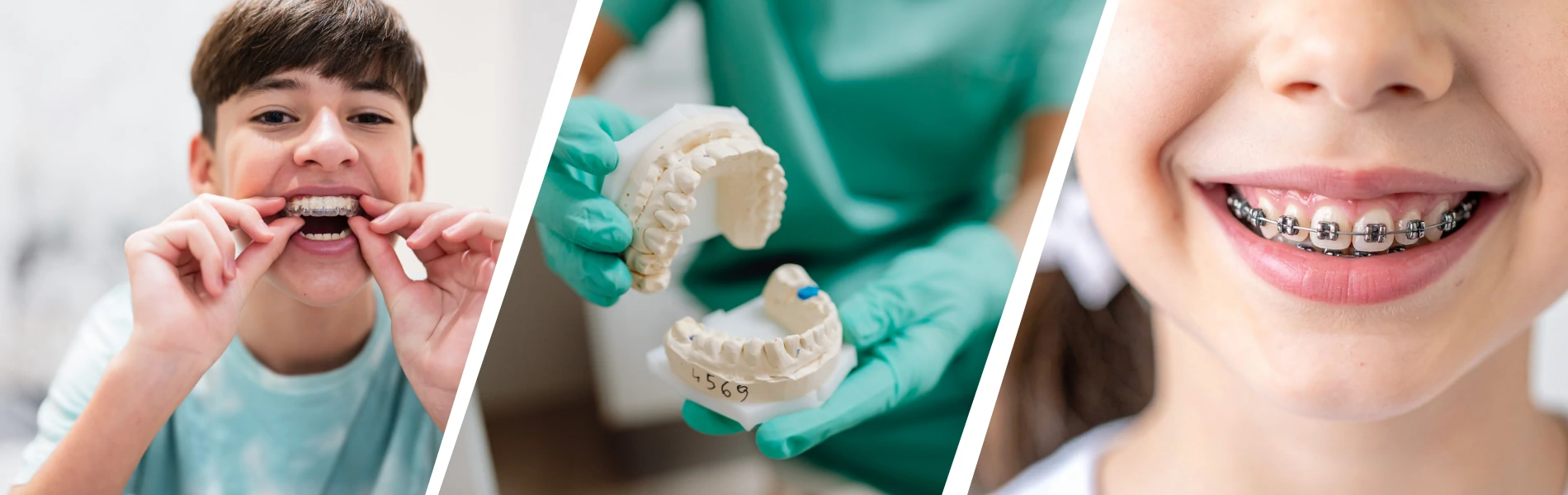
Children’s Orthodontics – Early Care for Healthy Development
Orthodontic treatment in children focuses on guiding jaw growth and correcting developing problems early, helping to prevent more complex issues in the future. At Braces and Specialist Dental Clinic, all orthodontic care is planned and carried out by a Consultant Orthodontist, ensuring safe, evidence-based treatment tailored to each child’s growth pattern. +Early assessment allows us to identify problems such as crowding, crossbites, protrusion, and jaw discrepancies at the right time.
When Should a Child Be Seen?
It is recommended that children have an orthodontic assessment around the age of 7 years, when both baby teeth and permanent teeth are present.
Benefits of Early Orthodontic Care
- Guides proper jaw development
- Reduces severity of future problems
- May reduce the need for extractions
- Improves facial balance and function
- Helps build confidence at an early age

Early Orthodontic Assessment
Early Orthodontic Assessment – Identifying Problems at the Right Time
An early orthodontic assessment helps detect developing issues before they become more severe.

What We Evaluate
- Tooth alignment and spacing
- Jaw growth and relationships
- Bite problems (crossbite, open bite, deep bite)
- Habits such as thumb sucking or tongue thrusting
Why Early Assessment Matters
Not all children need immediate treatment, but timely monitoring allows intervention at the most effective stage of growth.
Interceptive Orthodontic Treatment
Interceptive Treatment – Preventing More Complex Problems
Interceptive orthodontics involves early treatment to correct developing issues, reducing the need for more extensive treatment later.
Common Situations
- Developing crowding
- Crossbites
- Harmful oral habits
- Early loss of baby teeth
Approach
Treatment is carefully timed and may involve simple appliances or short-term interventions.
Growth Modification Treatment
Growth Modification – Guiding Jaw Development in Growing Children
Growth modification is used to correct jaw discrepancies while a child is still growing.
Conditions Treated
- Prominent upper teeth (Class II)
- Underdeveloped upper jaw (Class III)
Treatment Options
- Functional appliances
- Orthodontic face mask therapy
Key Advantage
This treatment is only effective during active growth, making early diagnosis critical.
Rapid Palatal Expansion (RPE)
Rapid Palatal Expansion – Creating Space and Correcting Crossbite
Rapid Palatal Expansion is used to widen a narrow upper jaw, creating space and improving bite relationships.
Indications
- Crowding
- Posterior crossbite
- Narrow upper arch
Benefits
- Improves breathing and airway in some cases
- Creates space without extractions
- Corrects crossbite early
Habit Correction
Habit Correction – Protecting Normal Dental Development
Certain habits can interfere with normal growth and tooth alignment.
Common Habits
- Thumb sucking
- Tongue thrusting
- Mouth breathing
Management
- Counseling and habit awareness
- Habit-breaking appliances when necessary
Early correction prevents long-term orthodontic problems.

What Problems Can Be Treated Early?
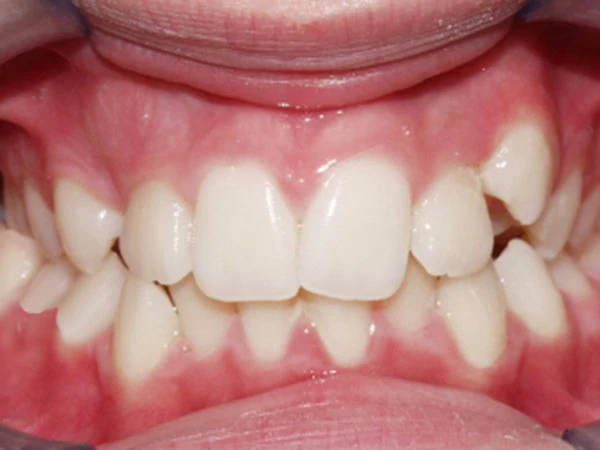
Crossbite
When upper teeth bite inside the lower teeth. If untreated, this can affect jaw growth and facial symmetry.
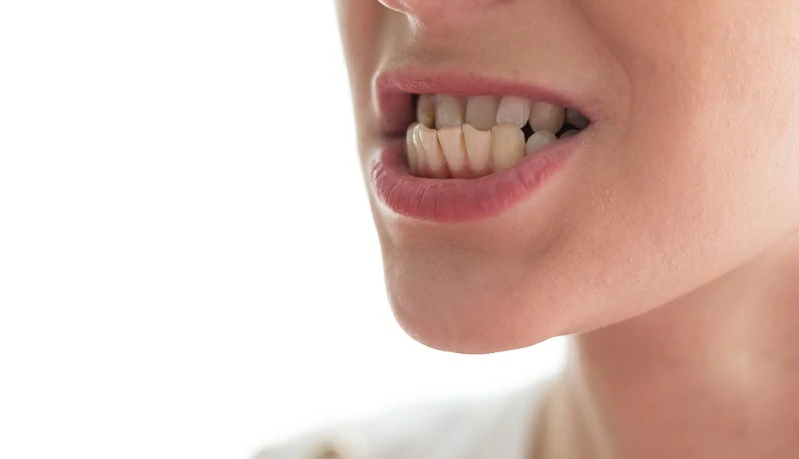
Skeletal Class III
Early growth modification can reduce future surgical need in selected cases.
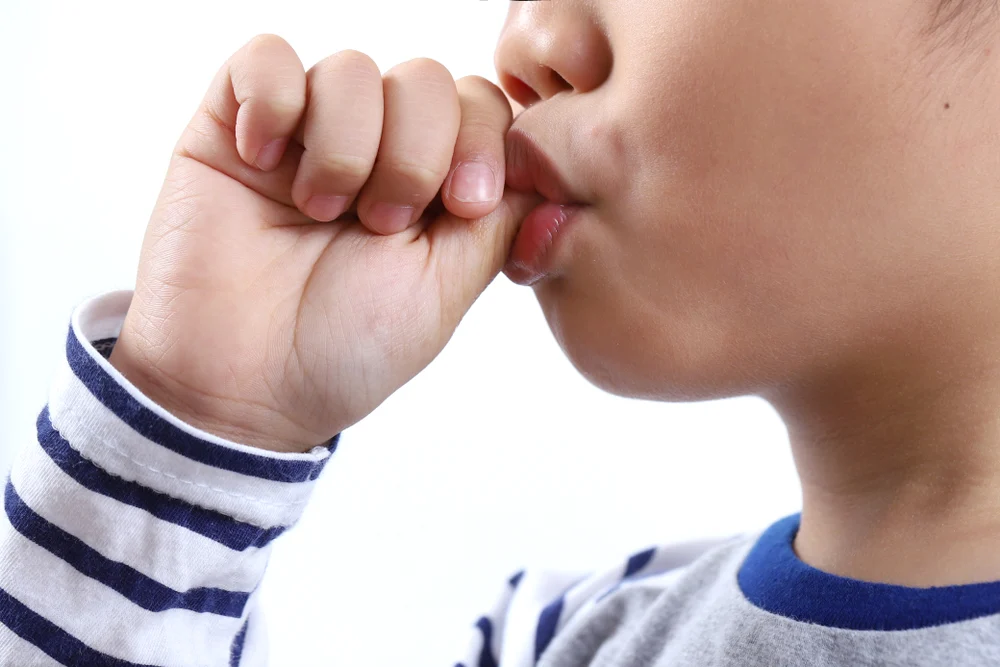
Thumb Sucking / Oral Habits
Habit-related bite problems can be corrected early.
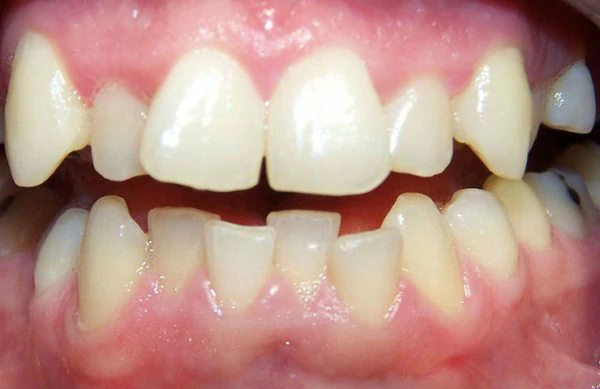
Severe Crowding
Space guidance may prevent worsening malalignment.

Severe Protrusion
Upper front teeth that stick out significantly are more prone to trauma.
Benefits of Early Orthodontic Treatment
- Guides proper jaw development
- Improves facial balance
- Reduces risk of tooth trauma
- Prevents worsening skeletal discrepancies
- May reduce complexity of future treatment
- Builds child confidence early
Is Early Treatment Always Necessary?
No.
- Many children only require monitoring until adolescence. At our clinic, we follow an evidence-based approach — treatment is recommended only when clinically indicated.