
Science Behind Our Orthodontic Treatment

Orthodontic treatment is not simply about straightening teeth. It is the precise correction of bite, jaw relationship, and facial balance using controlled biological tooth movement. At Braces and Specialist Dental Clinic – Kottawa, every treatment plan is designed and supervised by a Consultant Orthodontist in Sri Lanka, ensuring evidence-based, specialist-led care.

Scientific Principles of Orthodontic Treatment
Orthodontic braces and clear aligners work through controlled biological processes:
- Periodontal ligament response
- Bone resorption and bone formation
- Tissue remodeling under calibrated forces
Improper force systems may lead to:
- Root resorption
- Gum problems
- Bite instability
For this reason, orthodontic treatment must be carefully planned and monitored by a trained specialist.
Diagnosis before selecting metal braces, ceramic bracez or clear alingers we perform:

Facial profile assessment

Skeletal pattern evaluation

Cephalometric analysis
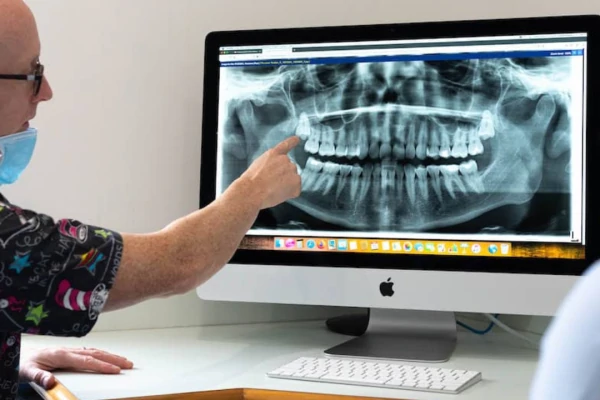
Growth status assessment
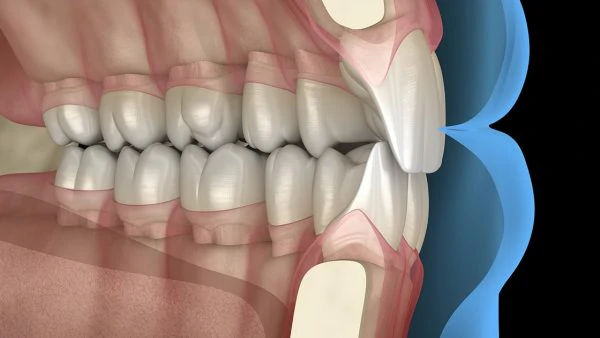
Occlusal and bite analysis

Periodontal health evaluation
Advanced Orthodontic Biomechanics
Effective orthodontic treatment requires control of:
- Torque
- Rotation
- Anchorage
- Vertical dimension
- Space management
Complex cases — including severe crowding, deep bite, open bite, or skeletal discrepancies ,require advanced biomechanical planning.
Stability and Long-Term Retention
Orthodontic success is not defined only by straight teeth.
It requires:
- Functional bite finishing
- Root parallelism
- Periodontal stability
- Individualised retention planning
Long-term stability is the true measure of successful orthodontic treatment.
Specialist Orthodontic Training in Sri Lanka
Orthodontics is a recognised dental specialty in Sri Lanka requiring structured postgraduate training beyond the BDS degree.
The pathway to becoming a Specialist and Consultant Orthodontist includes:
- Competitive entry into a university-based postgraduate orthodontic programme
- Approximately 4 years years of full-time specialist clinical training
- Supervised management of complex dental and skeletal cases
- Academic and research completion
- Board certification as a Specialist


Mandatory Overseas Clinical Training
As part of the recognised Sri Lankan orthodontic specialist training pathway, full-time overseas clinical training in a recognised tertiary teaching hospital — typically for a minimum of one year — is compulsory.
This training provides exposure to:
- Advanced orthodontic biomechanics
- Multidisciplinary management
- International clinical standards
- Complex referral case experience
Completion of this pathway qualifies the orthodontist for specialist registration and eligibility for Consultant appointment within the government health sector.