
Orthodontic Treatment for Skeletal Jaw Discrepancies

Introduction
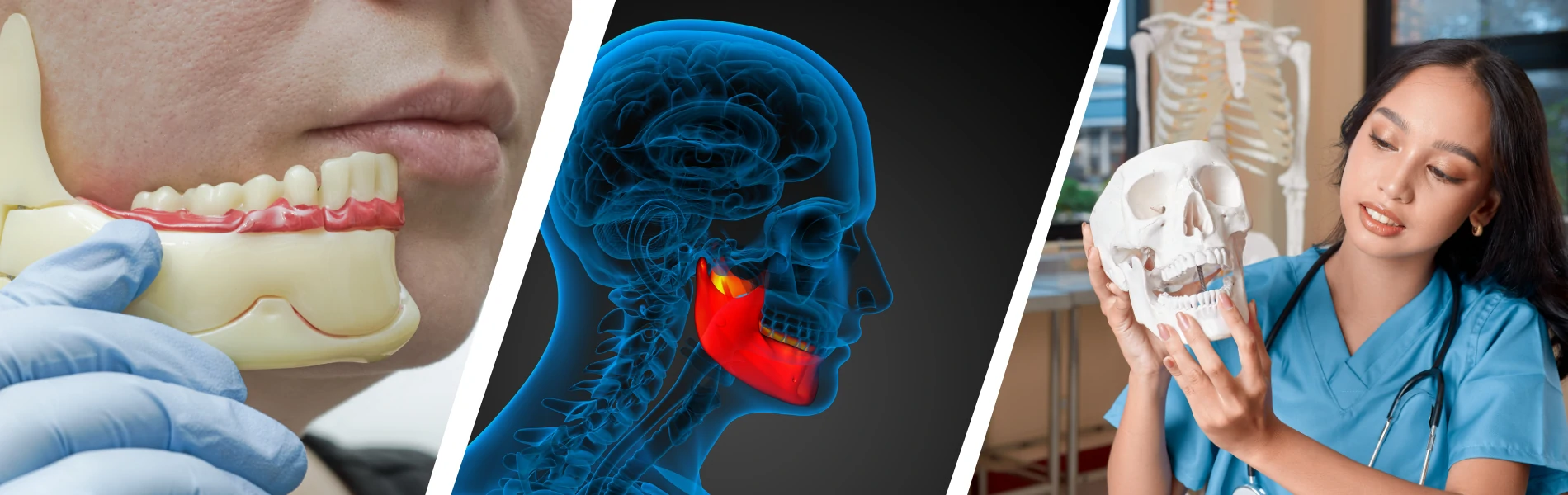
Some bite problems are caused not only by the position of the teeth but also by differences in the size or position of the upper and lower jaws. In such cases, orthodontic treatment alone may not fully correct the problem. Combined orthodontic and orthognathic (jaw) surgery may be recommended to improve bite function, facial balance, and long-term stability.
What Is Orthognathic Treatment?
Orthognathic treatment is a combination of orthodontic treatment and jaw surgery used to correct skeletal jaw discrepancies.
The goal is to achieve:
- Proper alignment of teeth
- Functional bite (occlusion)
- Balanced facial proportions
- Long-term stability of the results

Treatment Process
Combined orthodontic–surgical treatment usually involves several stages:
- Comprehensive Assessment – Evaluation of teeth, jaw relationships, and facial proportions.
- Pre-Surgical Orthodontics – Braces are used to align the teeth (usually 12–18 months).
- Jaw Surgery – The oral and maxillofacial surgeon repositions the jaws.
- Post-Surgical Orthodontics – Further orthodontic adjustments to refine the bite.
- Retention Phase – Retainers maintain the final results.
Benefits of Combined Treatment
When required, this treatment can provide:
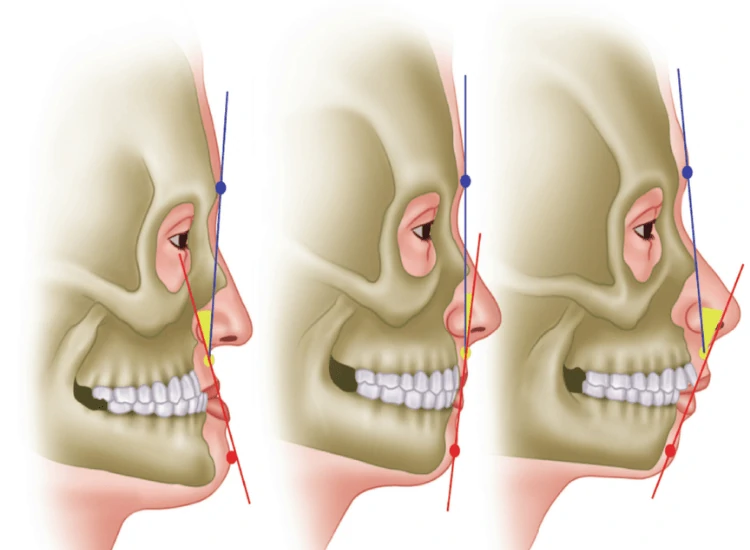
- Improved facial balance and profile
- Correction of severe bite problems
- Improved chewing function
- Long-term stability of orthodontic results
- Better oral health and quality of life
Consultation
If you have concerns about jaw alignment or severe bite problems, a consultation can help determine the most appropriate treatment approach.