Advanced Orthodontic Treatment

Advanced Orthodontic Treatments – Specialist Care for Complex Cases

Some orthodontic problems require advanced techniques, precise biomechanics, and multidisciplinary care. At Braces and Specialist Dental Clinic, these treatments are planned and carried out by a Consultant Orthodontist, ensuring safe and predictable outcomes. Advanced orthodontics is used for complex tooth movements, severe crowding, impacted teeth, and jaw discrepancies, often where conventional methods alone may not be sufficient.

We utilize modern techniques and digital planning, including intraoral scanning, to achieve accurate diagnosis and efficient treatment.

 Temporary Anchorage Devices (TADs)

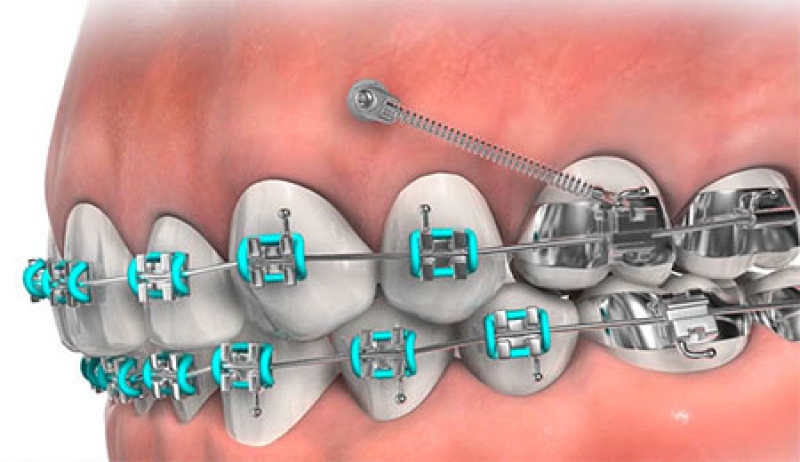
Temporary Anchorage Devices (TADs) are small, biocompatible mini-screws placed in the jawbone to provide stable anchorage for precise and controlled tooth movement without unwanted side effects. They are commonly used to move specific teeth without affecting others, correct difficult bite problems, and in some cases, reduce or avoid the need for extractions. TADs offer several advantages, including highly accurate tooth movement, a minimally invasive procedure, and quick placement and removal. Overall, they improve the efficiency of orthodontic treatment and are especially useful in complex cases that require maximum control.

Surgical Orthodontics (Orthognathic Treatment)

Surgical orthodontics is used to correct significant discrepancies between the upper and lower jaws when orthodontic treatment alone is not sufficient. This approach is often recommended for conditions such as severe jaw protrusion or retrusion, facial asymmetry, and open bites or deep bites caused by skeletal issues. The treatment typically involves a coordinated process, starting with pre-surgical orthodontics to align the teeth, followed by jaw surgery performed by an oral and maxillofacial surgeon, and completed with post-surgical orthodontics to refine the final result. This combined approach not only improves facial balance and aesthetics but also enhances chewing and speech, providing stable and long-term outcomes.

Non-Extraction vs Extraction Treatment Planning

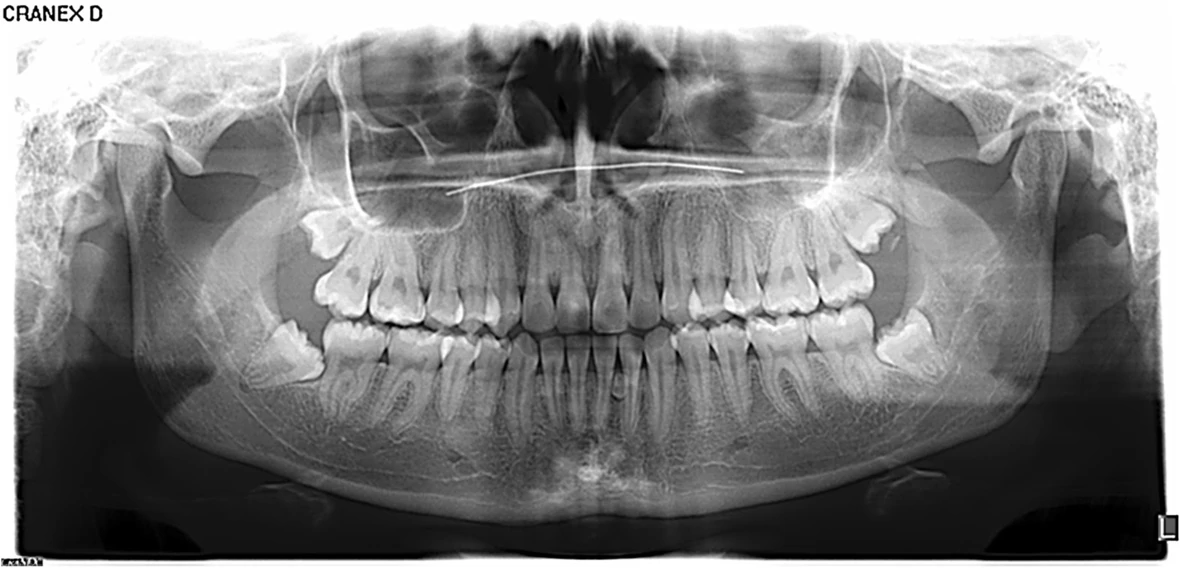
One of the most important decisions in orthodontic treatment planning is how to manage space—whether to create it without removing teeth (non-extraction) or by removing selected teeth (extraction). Non-extraction approaches may include techniques such as arch expansion, interproximal reduction (IPR), and the use of advanced orthodontic mechanics to achieve proper alignment. However, extractions may be considered in cases of severe crowding, significant protrusion, or when needed to improve facial profile and long-term stability. Each case is carefully evaluated through clinical examination and digital planning, ensuring that treatment decisions are tailored to achieve optimal function, aesthetics, and lasting results.

Complex Case Management

Managing complex orthodontic cases requires specialist expertise, involving advanced diagnosis, precise treatment mechanics, and close interdisciplinary coordination. These cases may include severe crowding or spacing, impacted teeth such as canines, previously unsuccessful orthodontic treatments, or situations requiring a combination of orthodontic and restorative care. The treatment approach typically involves thorough diagnosis and detailed planning, collaboration with other specialists such as oral and maxillofacial surgeons and restorative dentists, and a carefully controlled, step-by-step process to achieve optimal functional and aesthetic outcomes.

 Impacted Teeth Management

Impacted Teeth – Coordinated Surgical and Orthodontic Care

Impacted teeth are managed through a combined surgical and orthodontic approach.

Process

  • Radiographic and clinical assessment 
  • Surgical exposure of the tooth 
  • Orthodontic traction to guide eruption 

Why Specialist Care Matters

Proper management prevents damage to adjacent teeth and ensures optimal positioning.

Advanced Orthodontic Treatment

Advanced Orthodontic Treatments – Specialist Care for Complex Cases

Some orthodontic problems require advanced techniques, precise biomechanics, and multidisciplinary care. At Braces and Specialist Dental Clinic, these treatments are planned and carried out by a Consultant Orthodontist, ensuring safe and predictable outcomes. Advanced orthodontics is used for complex tooth movements, severe crowding, impacted teeth, and jaw discrepancies, often where conventional methods alone may not be sufficient.

We utilize modern techniques and digital planning, including intraoral scanning, to achieve accurate diagnosis and efficient treatment.

 Temporary Anchorage Devices (TADs)
Temporary Anchorage Devices (TADs) are small, biocompatible mini-screws placed in the jawbone to provide stable anchorage for precise and controlled tooth movement without unwanted side effects. They are commonly used to move specific teeth without affecting others, correct difficult bite problems, and in some cases, reduce or avoid the need for extractions. TADs offer several advantages, including highly accurate tooth movement, a minimally invasive procedure, and quick placement and removal. Overall, they improve the efficiency of orthodontic treatment and are especially useful in complex cases that require maximum control.

Surgical Orthodontics (Orthognathic Treatment)

Surgical orthodontics is used to correct significant discrepancies between the upper and lower jaws when orthodontic treatment alone is not sufficient. This approach is often recommended for conditions such as severe jaw protrusion or retrusion, facial asymmetry, and open bites or deep bites caused by skeletal issues. The treatment typically involves a coordinated process, starting with pre-surgical orthodontics to align the teeth, followed by jaw surgery performed by an oral and maxillofacial surgeon, and completed with post-surgical orthodontics to refine the final result. This combined approach not only improves facial balance and aesthetics but also enhances chewing and speech, providing stable and long-term outcomes.

Non-Extraction vs Extraction Treatment Planning
One of the most important decisions in orthodontic treatment planning is how to manage space—whether to create it without removing teeth (non-extraction) or by removing selected teeth (extraction). Non-extraction approaches may include techniques such as arch expansion, interproximal reduction (IPR), and the use of advanced orthodontic mechanics to achieve proper alignment. However, extractions may be considered in cases of severe crowding, significant protrusion, or when needed to improve facial profile and long-term stability. Each case is carefully evaluated through clinical examination and digital planning, ensuring that treatment decisions are tailored to achieve optimal function, aesthetics, and lasting results.

Complex Case Management

Managing complex orthodontic cases requires specialist expertise, involving advanced diagnosis, precise treatment mechanics, and close interdisciplinary coordination. These cases may include severe crowding or spacing, impacted teeth such as canines, previously unsuccessful orthodontic treatments, or situations requiring a combination of orthodontic and restorative care. The treatment approach typically involves thorough diagnosis and detailed planning, collaboration with other specialists such as oral and maxillofacial surgeons and restorative dentists, and a carefully controlled, step-by-step process to achieve optimal functional and aesthetic outcomes.

 Impacted Teeth Management

Impacted Teeth – Coordinated Surgical and Orthodontic Care

Impacted teeth are managed through a combined surgical and orthodontic approach.

Process

  • Radiographic and clinical assessment 
  • Surgical exposure of the tooth 
  • Orthodontic traction to guide eruption 

Why Specialist Care Matters

Proper management prevents damage to adjacent teeth and ensures optimal positioning.